

Cultural Values and Public Decency: Understanding the Debate
Cultural values and public decency are the foundation of any civilized society. Today, we often hear people or women say, “Change your thinking, not your clothes,” when women choose to roam around in highly revealing or skimpy clothes. This statement raises serious social concerns. We have some important questions for those who support this mindset, as it directly impacts the moral fabric of our community. Why should the common public change its baseline perspective because of inappropriate behavior? Nobody has handed over the responsibility of shaping people’s thinking to individuals who ignore traditional boundaries.
When analyzing these trends, we must also assess the psychology and thinking of those who wear clothes where private parts are fully visible. What is the actual motivation behind choosing such clothes? A decent person prefers modest attire to avoid unwanted attention, whereas provocative dressing intentionally invites the gaze of the entire community. Respect is a two-way street, and our collective focus must remain on preserving the delicate balance between personal choices and societal harmony.
1. Logic, Language, and the Boundaries of Freedom
If we are forced to change our baseline perspective for one specific trend, why not change it for everything in life? If someone uses abusive language against you, should you stop taking it as an insult and start considering it a term of endearment? Following this faulty logic, should society change its negative thinking toward extreme crimes like robbery, theft, and terrorism? Obscenity cannot be hidden under the protective blanket of freedom of expression, as it disrupts the core alignment of cultural values and public decency.
Many individuals argue that they alone will decide what they wear without any input from others. While personal choice is a valid concept, it applies universally. Men and society at large also reserve the right to decide whom they will actively respect, support, or help. Choosing not to offer special respect to someone does not mean practicing active disrespect; it simply means that honor is earned through shared values and mutual consideration.
2. The Limits of Absolute Liberty in Indian Tradition
Some people argue that absolute personal freedom overrides all social rules. However, an unguided lifestyle without restrictions can be highly destructive to a nation. A healthy society does not grant unchecked freedom to consume illegal drugs, run illicit businesses, or produce harmful content. Boundaries are necessary in every single aspect of life to protect the younger generation from moral decay.
| Perspective Type | Approach to Attire | Impact on Social Fabric |
| Modest Attire | Prioritizes cultural respect and dignity | Strengthens family values and public harmony |
| Provocative Attire | Prioritizes absolute personal freedom | Challenges traditional norms and public decency |
When discussing family values, we must look at traditional Indian roots. Is it appropriate in Indian tradition to discard modesty in front of immediate family members like fathers or brothers? When individuals do not maintain standard boundaries, they lose the moral ground to demand that society view them through a respectful lens. Historically, Indian culture has always placed a high premium on modesty, elegance, and mutual respect within the household.
3. Psychological Impacts and the Wisdom of Chanakya
According to modern behavioral science, constant exposure to explicit and obscene content triggers deep addictive patterns in the human brain, mimicking chemical dependencies. Ancient Indian wisdom echoes these exact findings. In the timeless Chanakya Sutras, Acharya Kautilya explicitly described uncontrolled lust as the greatest mental addiction and a destructive disease that ruins a person’s intellect.
Just as opening alcohol shops in every neighborhood has a direct negative impact on the minds of young children, the normalization of vulgarity damages the psychological health of the youth. It alters how people view human relationships, leading to a rise in social misconduct. True modernity is defined by progressive thoughts, scientific innovation, and intellectual growth—not by the elimination of clothing or the abandonment of self-respect.
4. Upholding Cultural Values and Public Decency For Future Generations
To protect the psychological and moral health of our society, we must take collective responsibility. This requires active participation from families, educational institutions, and digital media platforms:
- Promoting Modesty: Encouraging the younger generation to embrace elegant, respectful, and culturally appropriate clothing.
- Encouraging Dialogue: Having open conversations in families about the deep psychological impacts of explicit media.
- Media Literacy: Teaching children to distinguish between healthy entertainment and toxic digital trends that compromise human dignity.
To explore academic research on how public environments and media consumption influence community behavior patterns, view the behavioral data on Psychology Today. To study global guidelines regarding community health, psychological well-being, and social safety frameworks, read the official manuals published on the World Health Organization website.
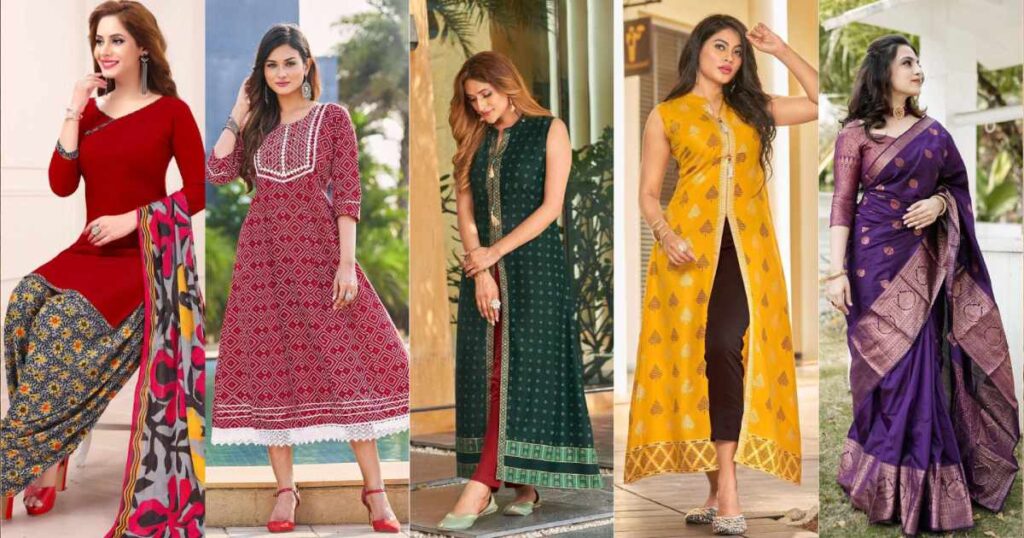
Conclusion: The Path to a Balanced and Respectful Society
In conclusion, maintaining a strict balance between personal liberty and social responsibility is vital for our collective survival. True freedom should never come at the cost of destroying our heritage. By actively choosing to uphold cultural values and public decency, we protect our families from psychological harm and foster an environment built on genuine mutual respect. Let us encourage a culture where clothing, language, and actions reflect the true dignity of our civilization, ensuring a safer and more honorable world for future generations.