
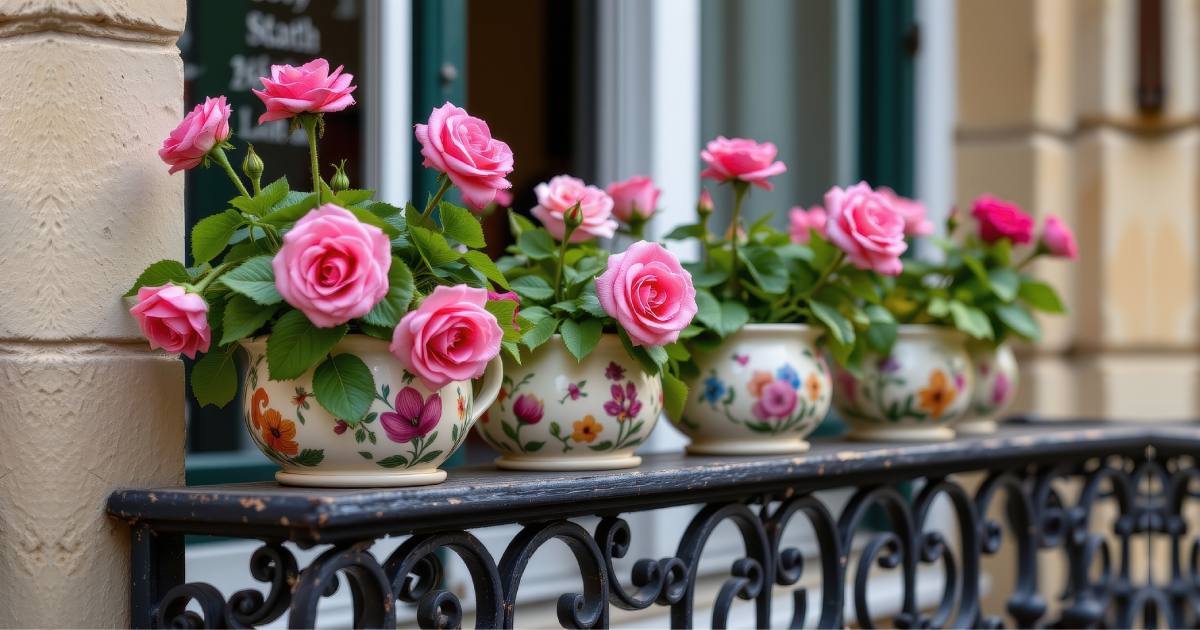
Natural air purifying plants like Roses and Jasmine are the new warriors in the fight against urban pollution.
In an era where concrete jungles are expanding and the air we breathe is increasingly laced with vehicular exhaust and industrial toxins, nature has offered us a fragrant solution. We often view flowers like Roses and Jasmine merely as symbols of beauty or sources of perfume. However, a groundbreaking study by the CSIR-National Botanical Research Institute (NBRI) has revealed that these common garden favorites are actually powerhouse natural air purifying plants in the fight against toxic urban air.
The Science Behind the Scents: The NBRI Study
Under the ‘CSIR-Floriculture Mission,’ lead scientists Dr. Richa Rai and Somit Bohra conducted extensive research on three popular flowering plants: Rose, Jasmine, and Tuberose (Rajanigandha). The breakthrough study, titled Physiological and biochemical traits mediate species-specific air pollution tolerance in ornamental plants, evaluated how these floral species exhibit distinct, species-specific adaptive mechanisms against heavy urban smog.
The findings are a game-changer for urban planning and home gardening alike. While many plants struggle to survive in high-pollution zones, certain floral species have evolved mechanisms to trap dust and process gases effectively. These natural air purifying plants provide a low-cost, high-impact solution for city dwellers.
The Top Performers: Jasmine and Rose
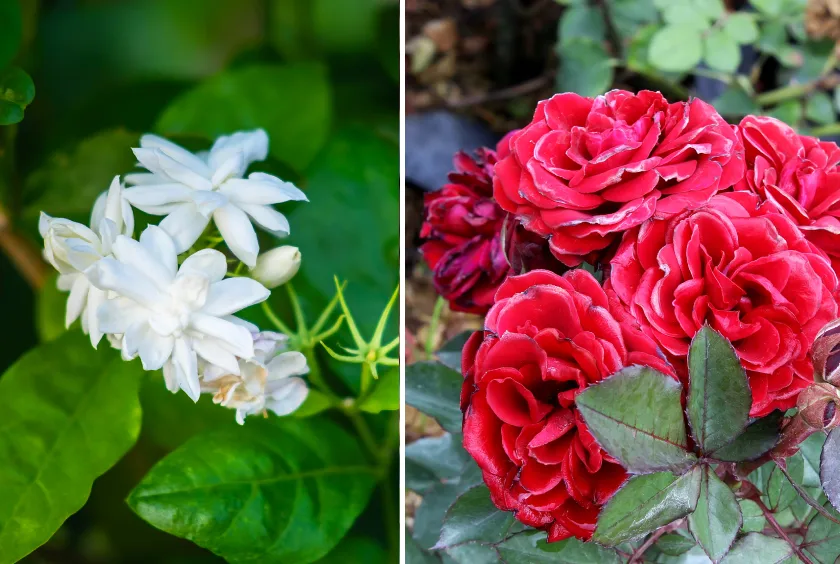
The study categorized these plants based on their physiological resilience. If you are looking for the best natural air purifying plants for your home or balcony, here is how the top contenders performed:
1. Jasmine: The Master of Gas Exchange
Jasmine emerged as a superstar in the study. Scientists found that Jasmine is incredibly efficient at “Gas Exchange” – the process of taking in carbon dioxide and releasing oxygen.
- Adaptability: Even in highly degraded air quality, Jasmine manages its water usage perfectly, ensuring it doesn’t wilt under the stress of smog.
- The Benefit: It acts as a biological filter, making it an ideal choice for balconies facing busy intersections or industrial areas.
2. Rose: The Resilient Survivor
The Rose is often seen as delicate, but the NBRI research proves otherwise. Researchers discovered that Roses are remarkably resistant to “pollution stress.”
- Photosynthesis Power: Unlike many plants that stop producing energy when covered in soot and dust, the Rose continues its photosynthesis process.
- PM Absorber: The structure of Rose leaves helps in trapping Particulate Matter (PM) – the tiny, hazardous particles that penetrate deep into human lungs. It literally “catches” the dust before you breathe it in. As far as natural air purifying plants go, the rose is as tough as they come.
The Underperformer: Tuberose (Rajnigandha)
Interestingly, the study found that not all flowers are built for the fight. The Tuberose (Rajnigandha), while famous for its nighttime fragrance, proved to be highly sensitive to pollution.
- The Weakness: The toxic particles in urban air quickly block the breathing pores (stomata) of the Tuberose.
- The Verdict: While beautiful for indoor settings with filtered air, Rajnigandha is likely to struggle and perish if planted directly on a roadside or a high-pollution balcony.
Transforming Urban Landscapes: Rooftops and Vertical Gardens
Dr. A.K. Shasany, Director of NBRI, emphasizes that planting these flowers is no longer just a hobby – it is a public health necessity. As cities become more crowded, we must look at Vertical Greenery and Rooftop Gardening as our secondary lungs. Integrating natural air purifying plants into our architecture is the future of sustainable living.
Why You Should Start a “Pollution-Shield” Garden:
- For Apartment Dwellers: If you live near a highway or a flyover, your balcony is a frontline for exhaust fumes. Placing a row of Rose and Jasmine plants creates a green buffer zone.
- For City Planners: The study suggests that instead of just planting grass or decorative shrubs, city municipalities should prioritize Rose and Jasmine for roadside vertical gardens.
- Oxygen Boost: Beyond filtering toxins, the high rate of gas exchange in Jasmine ensures a fresher, oxygen-rich micro-environment around your home.
How to Care for Your Natural Warriors
To ensure your natural air purifying plants can fight pollution effectively, they need a little help from you:
- Wash the Leaves: Since Roses and Jasmine trap PM particles on their leaves, give them a gentle water spray once a week. This “cleans their filters” so they can continue absorbing toxins.
- Sunlight: Both plants love the sun. Ensure they get at least 4–6 hours of light to keep their photosynthesis levels high.
- Soil Quality: Use well-draining soil enriched with organic compost to give them the strength to battle urban stress.
Conclusion
The air quality crisis in our cities requires innovative, biological solutions. By choosing natural air purifying plants like Rose and Jasmine, we aren’t just decorating our homes; we are deploying “Natural Warriors” that work 24/7 to scrub the air clean. It is time to turn our balconies and rooftops into shields of green and gold, protecting our health one petal at a time.