Preserving Cultural Clothing Values: A Call for Reflection
Preserving cultural clothing values has become a highly debated topic in modern Indian society. Over the last few decades, the way we dress has undergone a massive transformation. Until the year 1980, most young girls in colleges wore traditional sarees or decent salwar suits. After that era, the saree completely vanished from daily college life, and jeans entered alongside the salwar suit. By 2005, the traditional salwar suit almost disappeared, replaced by skin-tight black and white slacks. By 2010, transparent slacks became common, changing the visual landscape of our streets.
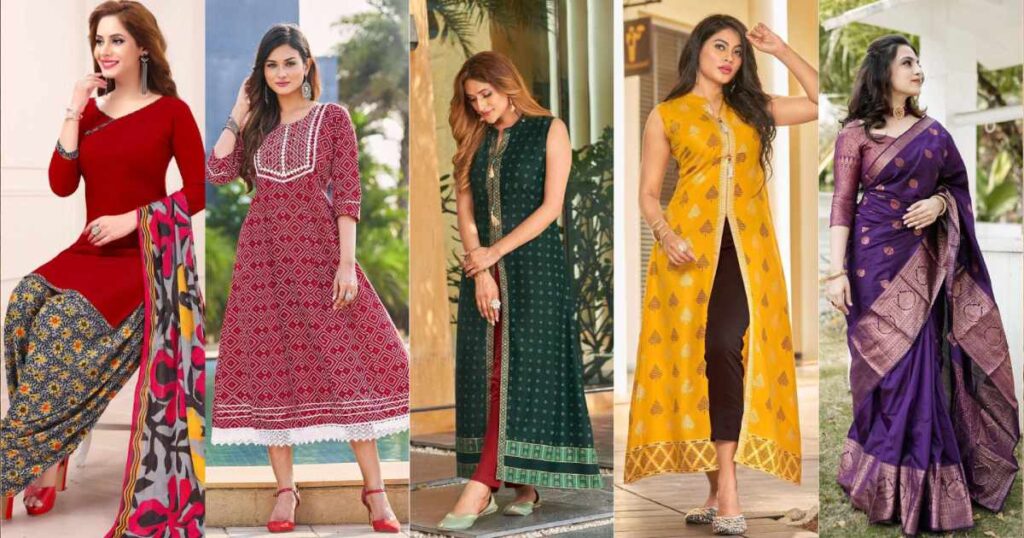
The design of traditional wear also changed drastically. The side cuts of the top, which used to end near the knees or thighs, moved up to the waist by 2012. By 2015, these cuts reached near the navel, completely altering the structure of the garment. Today, this fashion is visible not just among young college students, but also among women over 40 years of age. Instead of teaching traditional values to the younger generation, many older individuals have started competing with them in adopting western trends. Preserving cultural clothing values is essential to maintain our rich heritage.
The Evolution of Modern Fashion Trends
Recent shifts show an even faster change in daily wear. Printed and highly colorful slacks have become popular, while top lengths have shortened considerably to the waist. At the same time, a new trend of calf-length cropped trousers has emerged. Interestingly, these drastic changes in daily attire are mostly observed within specific communities, while other groups remain highly conservative about their traditional attire in public spaces, malls, and social gatherings.
| Era / Year | Primary Clothing Style Among Young Women | Style Characteristics |
| Before 1980 | Saree / Salwar Suit | High coverage, traditional drapes |
| Post-1980 | Salwar Suit paired with Jeans | Blend of Indo-Western styles |
| Post-2005 | Skin-Tight Slacks and Tops | High-density elastic fabrics |
| Post-2015 | High-slit Kurtis & Cropped Pants | Structural changes in traditional cuts |
Historically, clothing patterns were very different. Men used to wear simpler, minimal clothing for hard labor, while women wore complete, elegant garments that symbolized grace. However, under the heavy influence of television serials and films, modern attire has moved toward minimal coverage in the name of becoming advanced. The global fashion industry often uses advertisements to promote these trends, but we must evaluate if these choices align with our own comfort and values.
The Critical Role of Family Guidance
When discussing the direction of social behavior, the role of family guidance cannot be ignored. A father always wishes for his children to be safe, respected, and gracefully dressed. However, a mother shares a much closer bond with her daughter, discussing everything from personal health to lifestyle choices. Because of this deep connection, mothers hold the primary responsibility to guide their daughters toward dignified dressing.

Preserving cultural clothing values starts at home. Instead of simply blaming external factors, families need to teach their children that elegance does not depend on following western consumerist trends. True beauty lies in grace and self-respect. Our core values and civilization do not support clothes that cause discomfort or bring unnecessary negative attention from society.
A Comparative Look at Global Influences
While some argue that clothing is entirely a matter of personal choice, we must think about the psychological impact of these trends. If becoming modern simply meant minimizing clothes, it would contradict the very definition of human civilization. Western marketing strategies spend billions of dollars to promote specific lifestyles, but local communities must decide what suits their environment and family structure.
To understand the global shift in values, you can study the UNESCO Cultural Heritage guidelines, which emphasize protecting local identities against uniform globalization. Furthermore, reading classical literature from sources like Gita Press can provide deep insights into traditional Indian family values and ethics.
Reclaiming Our Heritage and Identity
To ensure a balanced future, parents must actively discuss the benefits of modesty and cultural identity with their children. Rather than focusing solely on western entertainment, young minds should be introduced to our history, texts, and philosophical roots.
Key steps for cultural preservation include:
- Promoting Decent Attire: Encouraging choices that reflect confidence without compromising on modesty.
- Open Dialogue: Discussing the hidden commercial motives behind fast fashion and global trends.
- Leading by Example: Elders should practice the modesty they expect from the youth.
- Cultural Education: Teaching the spiritual and social importance of traditional Indian attire.
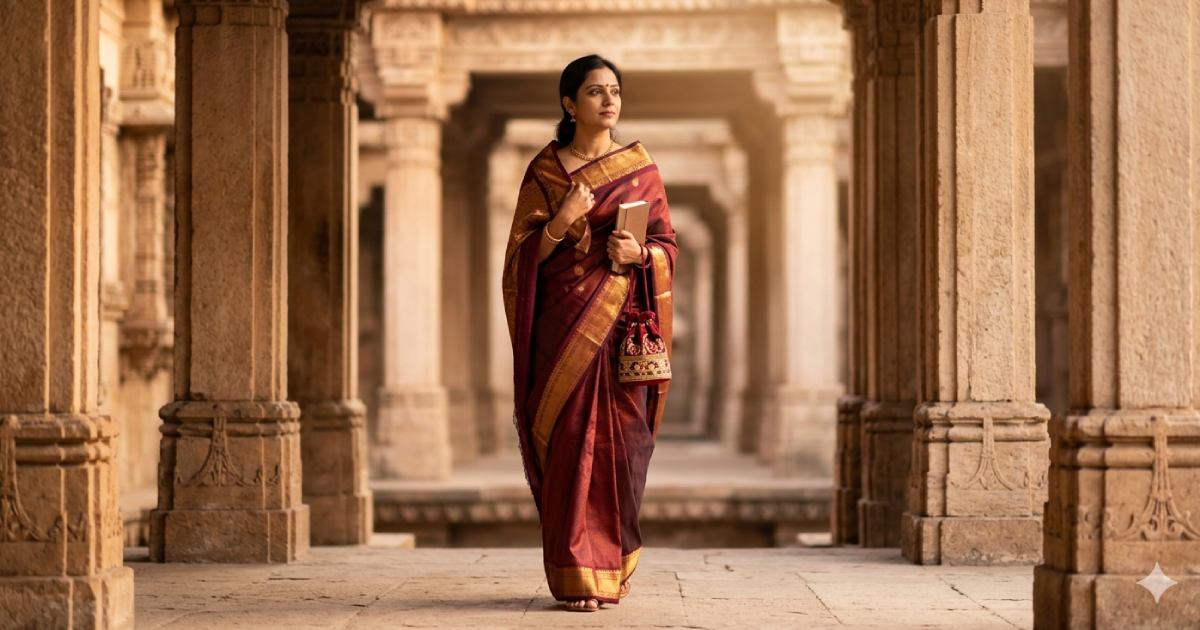
An example of elegant traditional attire supporting the idea of preserving cultural clothing values.
Conclusion: Progress Without Losing Our Roots
In conclusion, preserving cultural clothing values is not about opposing progress; it is about choosing dignity over blind imitation. True modernization lies in advanced thinking, education, and high moral character, not in the reduction of our clothing. Let us protect our families from the commercial traps of fast fashion and build a society that takes pride in its roots.