

Dependency on Government Schemes: Why Some Choose Not to Work
The Hidden Reality of Welfare Without Work
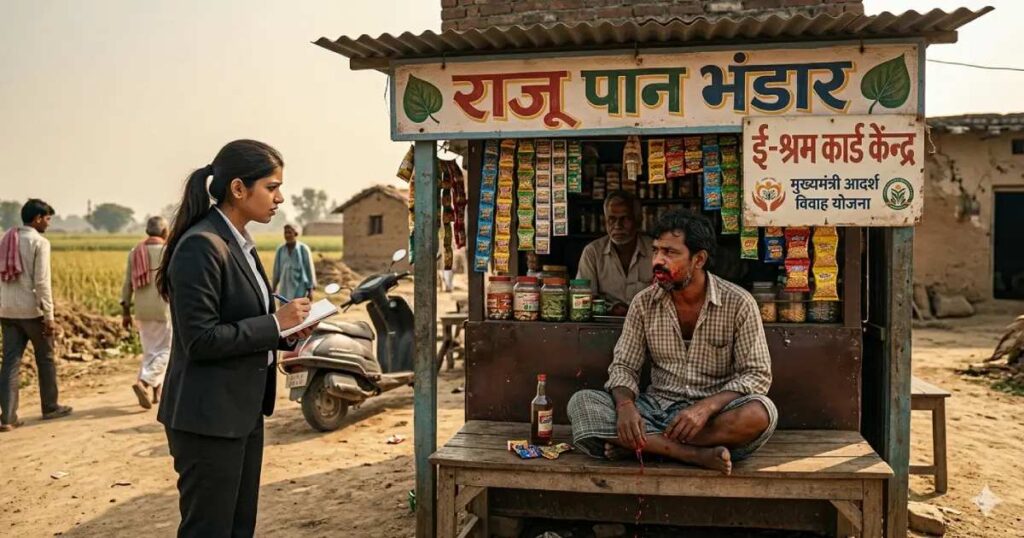
I recently met a 35-year-old man at a local village betel shop. He was unemployed, spending his day drinking and chewing tobacco. When I asked him why he didn’t work to earn a living, his answer was shocking. He wasn’t worried about the future because of his extreme dependency on government schemes.
From his wedding and his children’s birth to their education and even his parents’ medical care, he explained how every single life event was funded by tax-paying citizens.
How Excessive Dependency on Government Schemes Affects Society
While welfare programs are meant to be a safety net, for some, they have become a “permanent hammock.” Here is how it stops people from working:
- Financial Aid for Everything: Whether it’s the Mukhya Mantri Adarsh Vivah Yojana or maternity benefits, money is provided at every step.
- Free Education and Meals: With free uniforms, books, and mid-day meals, parents feel no pressure to earn for their children’s schooling.
- Health and Housing Security: Schemes like the Ayushman Card provide free treatment up to 5 Lakhs, removing the fear of medical emergencies.
- Subsidized Food: When rice and wheat are available for 1 Rupee per kg, the basic motivation to work for food disappears.
The Trap of the “Freebie” Culture
The man in the village ended our conversation with a chilling point: “People like you work hard and pay taxes for us. Farmers grow the grain and the government gives it to us for free. So, why should we work?”
This mindset shows that dependency on government schemes can sometimes turn a productive youth into a stagnant burden on the nation.
Conclusion: Support vs. Sustainability
Government support is essential for the truly needy, but it should be a stepping stone, not a destination. To grow as a nation, we need to balance welfare with a culture of hard work and self-respect.