
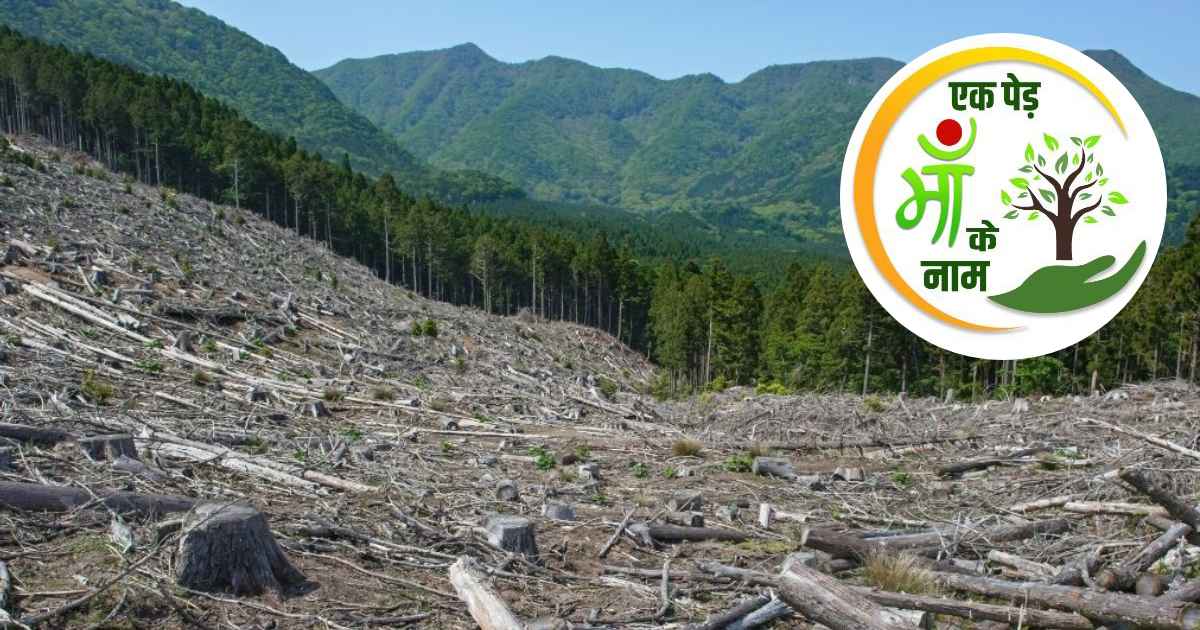
Protecting India’s Forests: Why One Tree is Not Enough
India is currently facing a massive heatwave. Temperatures in cities like Nagpur, Ahmedabad, and Prayagraj are touching 45°C. Many people think this is just a natural weather change, but the truth is deeper. We are living in a “furnace” because we have allowed the systematic destruction of our woods. To save our future, we must prioritize protecting India’s forests over simple symbolic gestures.
While we are often told that the country is getting greener, the reality on the ground is different. Planting a single sapling in a pot is a good emotional act, but it cannot replace a thousand-year-old ecosystem. We are losing the very lungs of our nation while trying to find “greenery” in statistics and reports. If we want to bring the temperature down, we need to move beyond slogans and start protecting India’s forests with real action and stronger laws.
The Difference Between a Plantation and a Forest
The biggest misunderstanding in our environmental policy is treating a row of trees like a natural jungle. You might see reports saying “Forest Cover” is increasing, but often these reports count commercial plantations or mango orchards as forests. A real forest is a complex cooling system. It holds moisture, regulates rain, and keeps the air cool.
When we talk about protecting India’s forests, we are talking about saving biodiversity, elephant corridors, and tribal homes. A plantation of Eucalyptus trees cannot do what a natural rainforest does. By confusing the two, we hide the death of our original woods. Real environmental health comes from preserving the existing natural cover that has protected our land for centuries.
How Policy Changes Affect Our Natural Greenery
In recent years, several laws have been changed to make it easier for industries to expand. While “Ease of Doing Business” is important for the economy, it has often come at the cost of our environment. New amendments to forest acts have made it easier to clear land for mining and roads. Some rules now allow trees to be cut first, with permissions being sorted out later.
This policy shift makes protecting India’s forests very difficult. Large areas of land in places like Hasdeo Arand in Chhattisgarh or the Aravalli hills near Delhi are being lost to mining and construction. The Aravallis acted as a natural shield against the desert heat for Delhi, but that shield is now breaking. When we weaken the laws that guard our land, we essentially open the door for rising temperatures and dust storms.
The Reality of Climate Change and Heatwaves
The extreme heat we feel today is a direct result of losing our natural cooling systems. Forests act as giant air conditioners for the planet. When they are removed, the ground absorbs more heat, and the water cycle is disturbed. This is why our cities are turning into ovens.
Protecting India’s forests is the only sustainable way to fight climate change. We cannot simply rely on air conditioning to save us while the outside world burns. From the Great Nicobar island to the Himalayan foothills, the pattern is the same: forests are being treated as “assets” for projects rather than essential life-support systems. If we don’t change this mindset, the heat will only continue to rise.

A call for protecting India’s forests to combat rising temperatures and heatwaves.
Moving Beyond Narratives to Real Solutions
We often hear the slogan “Plant a tree in your mother’s name.” While this is a beautiful sentiment, it can sometimes be used as a distraction. It shifts the responsibility from big industries and policy-makers onto the common citizen. Planting one sapling is a great photo opportunity, but it does not fix the loss of millions of hectares of ancient trees.
To truly succeed in protecting India’s forests, we must:
- Demand Stricter Laws: Ensure that natural forests cannot be diverted for commercial use so easily.
- Support Local Communities: Tribal people and local villagers are the best guardians of the woods; their voices must be heard.
- Focus on Restoration: Instead of just planting new trees, we should focus on restoring degraded natural ecosystems.
- Ask Questions: We must look beyond the “green” numbers and ask where the real forests are going.
Conclusion: A Choice for the Future
In conclusion, the heat we feel at 45°C is a warning. It is the result of years of ignoring nature for the sake of short-term gains. Protecting India’s forests is not just an “environmental” issue—it is a survival issue. We cannot breathe money, and we cannot hide from a warming planet behind statistics.
The choice is simple: do we want to keep counting individual saplings, or do we want to save our forests? If we don’t stand up for our jungles today, the future generations will only have stories of a cool, green India. Let’s choose to protect the wild, natural heart of our country before it’s too late.