

Common Household Items That May Increase Cancer Risk
In our modern world, we often use products every day without thinking twice about what they are made of. We assume that if something is on a store shelf, it must be safe. However, many common household items that we use for cooking, cleaning, and eating can slowly release harmful chemicals into our bodies. Over a long period, exposure to these toxins can lead to serious health issues, including an increased risk of cancer.
It is important to understand that small, daily exposures add up over time. You don’t need to panic, but you do need to be aware. By identifying which common household items carry hidden risks, you can make smarter choices for your kitchen and your home. Protecting your family starts with knowing exactly what is coming into contact with your food and water.
Kitchen Dangers: Cooking and Storage
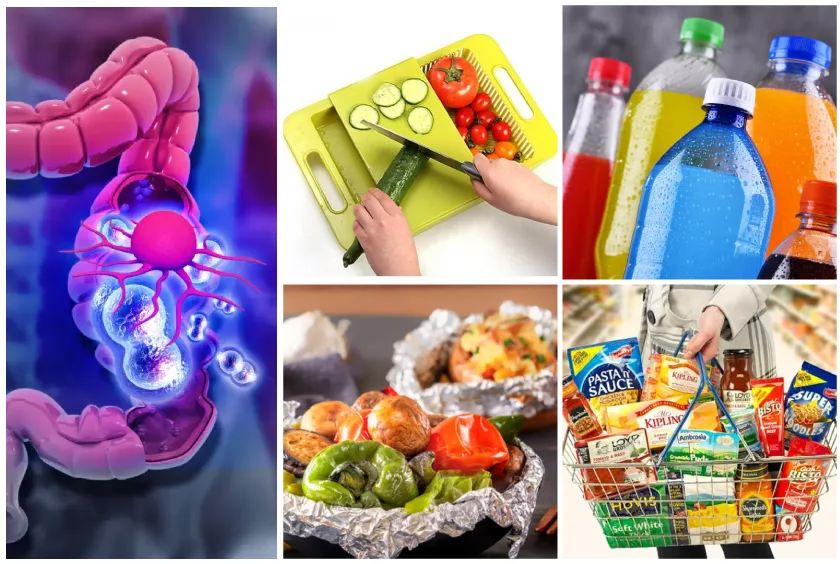
The kitchen is the heart of the home, but it is also where many common household items with chemical risks are found. For example, non-stick cookware is very popular because it is easy to clean. However, when these pans get scratched, they can release PFOA and other chemicals into your meals. Similarly, using aluminum foil for wrapping hot, acidic, or spicy food can cause the metal to leach into your diet.
Plastic is another major concern. Many of us use plastic water bottles, plastic chopping boards, and plastic storage containers. When plastic gets warm—or when you use a sharp knife on a plastic board—tiny microplastics and chemicals like BPA can enter your system. These are common household items that we often take for granted, but switching to glass, stainless steel, or cast iron can significantly reduce your toxic load.
Quick Checklist: Items to Re-evaluate
If you want to reduce toxic exposure in your daily life, start by replacing or limiting these common household items:
- Non-Stick Cookware: Especially dangerous when scratched, as the coating can flake into your food.
- Scented Candles: Many release paraffin and artificial toxins into the air you breathe.
- Canned Foods: Often lined with BPA or other chemicals that can leach into the contents.
- Plastic Chopping Boards: Small bits of plastic (microplastics) can get cut into your vegetables.
- Plastic Water Bottles: Chemicals can seep into your water, especially if the bottle gets warm.
- Aluminum Foil: Avoid using this to wrap or cook hot, acidic, or spicy foods.
- Sugary Drinks: High-sugar sodas like Coca-Cola increase internal inflammation.
- Processed Snacks: Items like Doritos and Cheetos are full of artificial colors.
- Packaged Foods: These often contain stabilizers for a long shelf life.
- Plastic Containers: Heating food in these can release hormone-disrupting chemicals.
- Refined Oils: These undergo heavy chemical processing; choose cold-pressed versions.
Hidden Risks in Processed Foods and Snacks
Our health isn’t just affected by what we cook in, but also what we eat from. Many common household items found in our pantries are actually highly processed products. Canned foods often have liners that contain chemicals to prevent rusting, which can seep into the food. Fast snacks like Doritos, Cheetos, and other packet foods are often loaded with artificial colors and preservatives that are not natural for the body.
Sugary drinks, such as Coca-Cola and other sodas, are also common household items that contribute to internal inflammation. High sugar intake is linked to many lifestyle diseases. Furthermore, the refined oils we use for frying—like vegetable or soybean oil—undergo heavy chemical processing before they reach your kitchen. Choosing cold-pressed oils is a much safer and more natural alternative for your family’s heart and long-term health.
Scented Products and Home Environment
It isn’t just about what we eat; it is also about what we breathe. Many people love using scented candles to make their homes smell nice. Unfortunately, these are common household items that can release paraffin and artificial fragrances into the air. When burned in a closed room, these can release chemicals similar to those found in diesel exhaust.
If you love a nice scent, consider using natural essential oil diffusers instead. We often ignore the air quality inside our homes, but the chemicals released by these common household items can be inhaled and absorbed by our lungs daily. Small changes in your environment can lead to a much cleaner and safer living space for your children and elderly family members.
Simple Steps to a Safer Home
You don’t have to change everything overnight. Start by replacing a few common household items at a time. Here is a simple guide to help you transition to a healthier lifestyle:
- Switch Your Cookware: Replace scratched non-stick pans with stainless steel or traditional cast iron “Kadhai.”
- Ditch the Plastic: Use glass or copper bottles for water. Never microwave food in plastic containers.
- Eat Fresh: Move away from canned and packet foods. Choose fresh, local produce and home-cooked meals whenever possible.
- Change Your Oil: Swap refined oils for cold-pressed (Kachi Ghani) mustard, coconut, or groundnut oils.
- Safe Food Prep: Use a wooden chopping board instead of a plastic one to avoid eating microplastics.
Quick “Switch-to-Save” Guide
To make your transition easier, try these simple swaps:
| Instead of… | Switch to… |
| Plastic Bottles | Stainless Steel or Glass |
| Non-Stick Pans | Cast Iron or Clay Pots |
| Refined Oil | Cold-Pressed (Kachi Ghani) Oil |
| Plastic Boards | Wooden or Bamboo Boards |
| Aluminum Foil | Cotton Cloth or Parchment Paper |
Conclusion: Small Changes, Big Protection
In conclusion, your health is in your hands. While we cannot avoid every toxin in the modern world, we can certainly limit our exposure by being careful with common household items. Awareness is your best defense against long-term health risks. By choosing natural materials like wood, glass, and steel, you are creating a sanctuary that supports life rather than harming it.
Your family’s safety is worth the extra effort. Take a look around your kitchen today and see which common household items you can replace. Every small step you take is a big investment in a cancer-free and healthy future. Stay safe, stay informed, and prioritize “real” over “convenient.”