Understanding Heart Attack Warning Signs: What Your Body is Telling You
“Recognizing the 7 heart attack warning signs is the first step in saving a life.”
Many people believe that a heart attack happens without any warning. However, the truth is that your body often sends out signals long before the actual event occurs. Recognizing these heart attack warning signs is critical because ignoring them can lead to serious consequences. When it comes to your heart, every minute is precious, and knowing what to look for can truly be a lifesaver.
A heart attack doesn’t always look like the dramatic scenes we see in movies. Sometimes, it starts as a slow discomfort that builds over time. By paying attention to these heart attack warning signs, you give yourself the best chance to get medical help before permanent damage occurs. Your heart is the engine of your body, and these signs are the “check engine” lights you should never ignore.
Common Heart Attack Warning Signs to Watch For
The human body is very intelligent. It begins to show distress through various physical sensations. Here are the most common heart attack warning signs that you should never disregard:
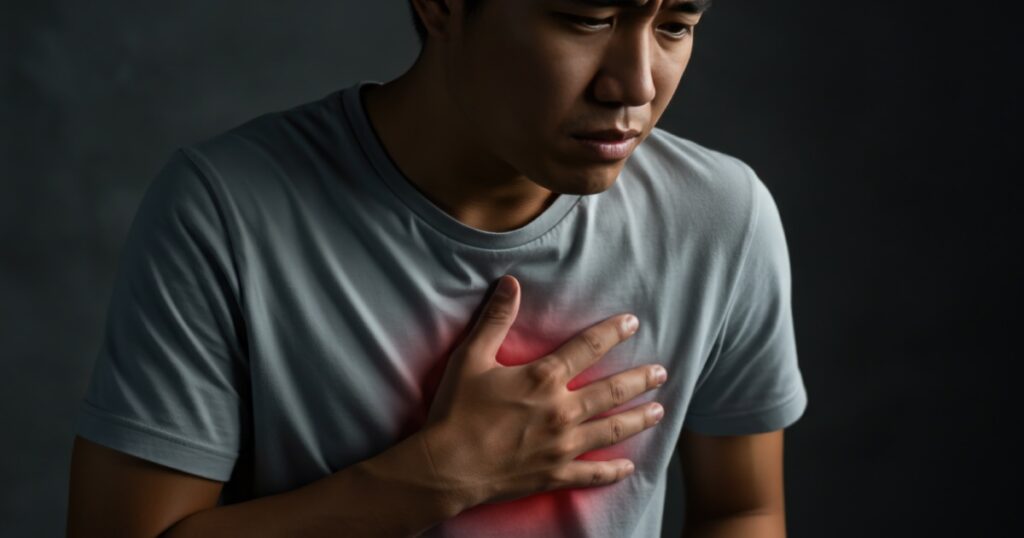
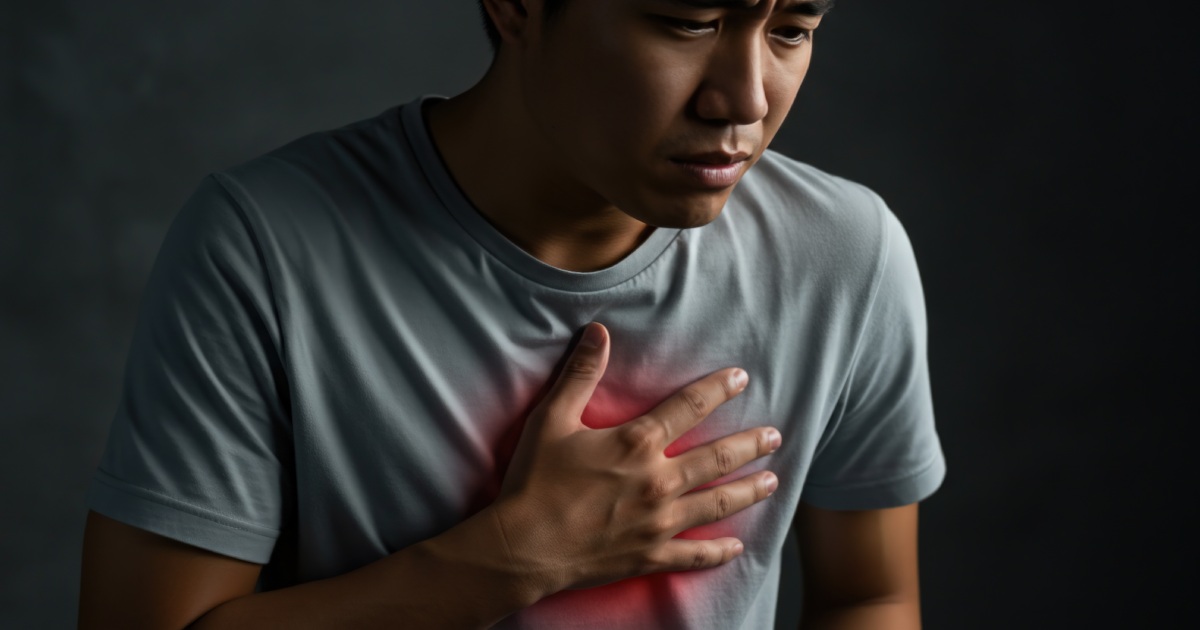
- Chest Pressure or Heaviness: Feeling like there is a heavy weight sitting on your chest or a tight squeezing sensation.
- Cold Sweats: Suddenly breaking into a cold sweat even if you aren’t physically active or in a hot environment.
- Dizziness and Weakness: Feeling lightheaded, faint, or an unusual sense of total body weakness.
- Shortness of Breath: Finding it difficult to breathe or feeling winded while doing simple tasks.
- Radiating Pain: Pain that travels to the left arm, shoulders, back, or even up into the jaw.
- Nausea or Vomiting: Feeling sick to your stomach or vomiting for no obvious reason.
- Anxiety and Restlessness: A sudden, overwhelming sense of panic or a feeling that something is very wrong.
Why Immediate Action is Critical
If you or someone around you experiences these heart attack warning signs, the most important thing is to stay calm but act fast. Most people wait too long because they aren’t sure if it’s a heart attack or just indigestion. It is always better to be safe and get checked by a professional.
When heart attack warning signs appear, the blood flow to a part of the heart muscle is being blocked. The longer the muscle goes without oxygen, the more damage it sustains. This is why doctors say “time is muscle.” Taking quick action can stop a minor issue from becoming a major tragedy.
What to Do If You Notice These Signs
Knowing the heart attack warning signs is step one; knowing what to do next is step two. If you feel these symptoms, follow these emergency steps immediately:
- Stop and Rest: Immediately sit down or lie down. Do not try to “walk it off” or continue working.
- Loosen Your Clothing: If you are wearing a tight tie, belt, or shirt, loosen them to help your body relax and breathe easier.
- Call for Help: Immediately call a doctor or an ambulance. Do not try to drive yourself to the hospital.
- Stay Still: Wait for the medical professionals to arrive. Do not exert yourself in any way.

Preventing Future Risks
While knowing the heart attack warning signs is vital for emergencies, prevention is the ultimate goal. Maintaining a healthy lifestyle—such as eating a balanced diet, exercising regularly, and managing stress—can significantly reduce your risk. Additionally, for those over 45, practicing habits like the “3.5 Minute Rule” when getting out of bed at night can help keep your heart rhythm stable and safe.
Listen to your body. It is constantly communicating with you. If you feel an unusual discomfort that matches these heart attack warning signs, don’t wait for it to get worse. A quick response is the most powerful tool you have in protecting your heart and your future.
Conclusion: Be Proactive About Heart Health
In conclusion, a heart attack is often preceded by various heart attack warning signs that give us a chance to react. By staying aware of sensations like chest pressure, cold sweats, and radiating pain, you can take control of a dangerous situation.
Don’t let fear or doubt stop you from seeking help. Your health is your greatest wealth, and being proactive is the best way to ensure a long, happy life with your loved ones. Share this information with your friends and family—it might just be the most important thing they read today.